Wait For It!   

Spring is on the Way

February 10, 2026

One of my virtues is impatience ……. when it comes to Spring ….. and its arrival ….. finally. 
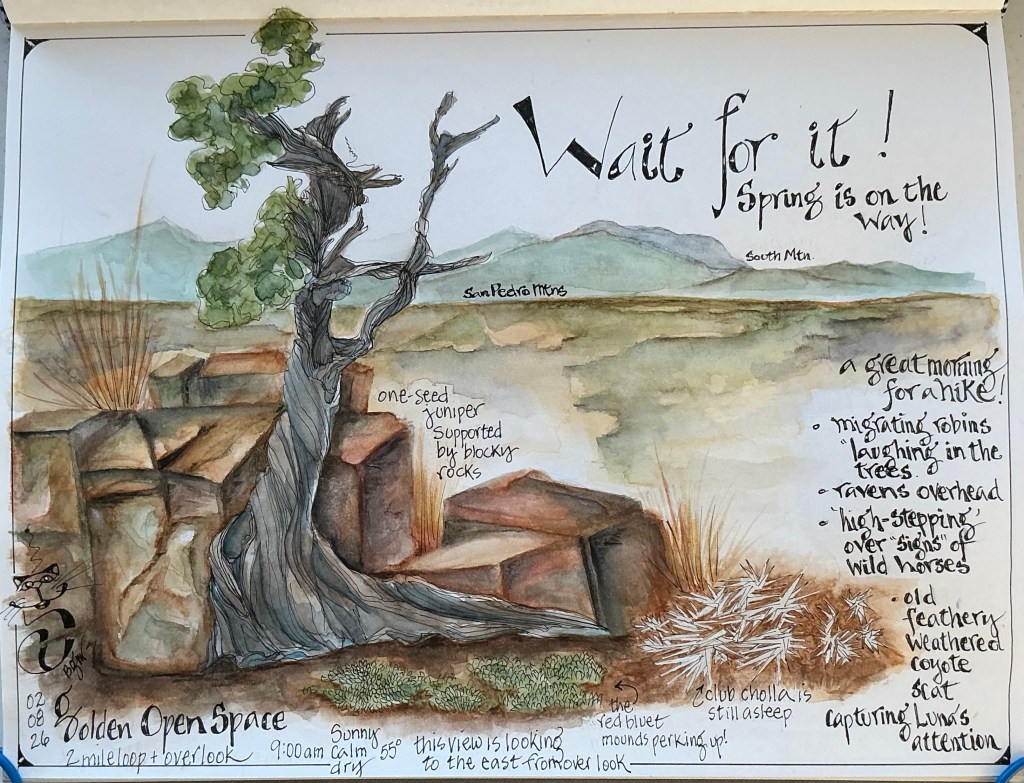
Admittedly, winter has its perks. After a long, hot summer and fall, winter’s crisp air is a mood lifter, and cooler air temps allow for cozy sleeping under piles of blankets. Longer nights mean my favorite constellations hang in the sky longer, and somehow the moon always seems brighter and friendlier. In New Mexico, winter hiking about is more casual without having to watch every step for rattlesnakes, and certainly any snowfall we’ve been fortunate enough to get helps recharge water tables, tempers our risk of wildfire, and is absolutely beautiful to watch while falling. 

But ….. since Winter Solstice and with daytime hours lengthening, I’m ready for Spring. And the closer it gets, my impatience for the upcoming change in season is obvious. My nature journal, pencils and 10x magnifying loop are packed and ready, each daily hike begins by plucking from a yucca one of last year’s flower stalks to poke the ground for signs of growth, and I’m anxious to snap photos of any passing migrating bird or resident roadrunner in search of a perfect nesting spot.

Meanwhile, I’m thankful for my late winter attack of impatience, because it get’s me out there every day, in anticipation of the first flower bud!

As always, Thanks for stopping by!
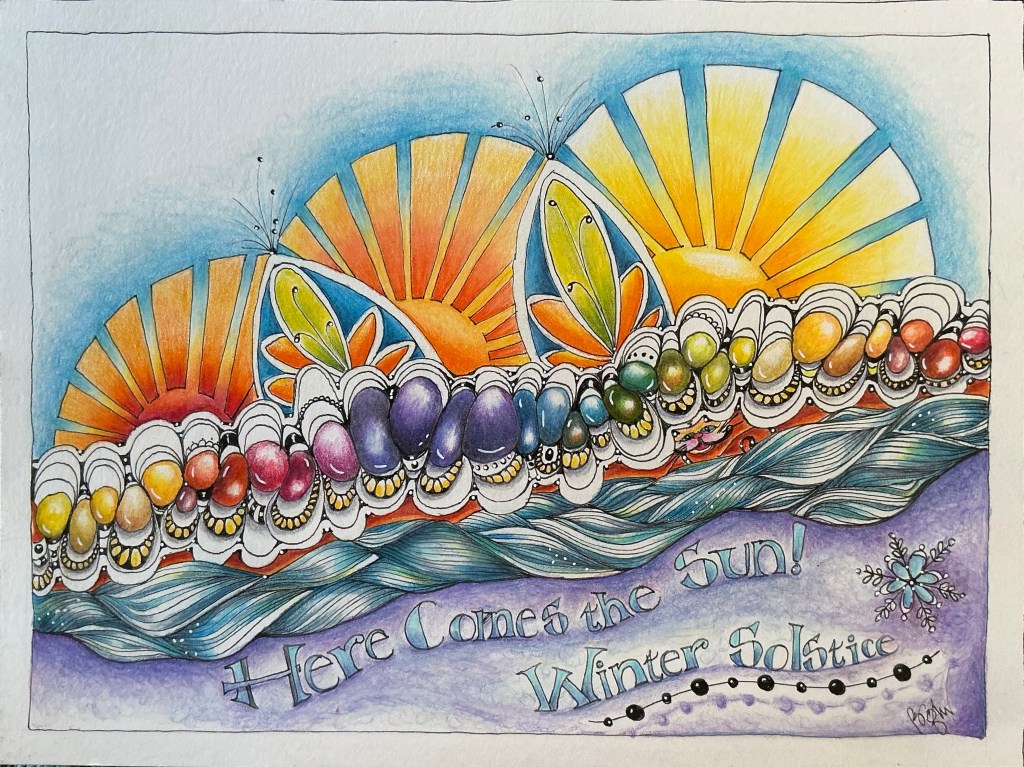
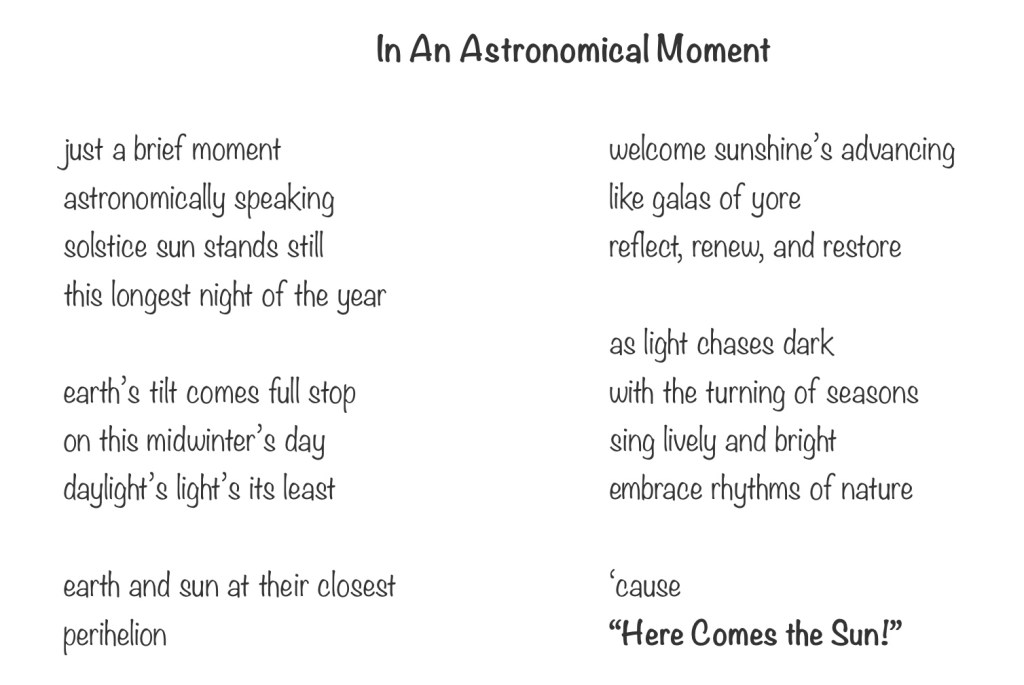
Happy Winter Solstice 2025 In an Astronomical Moment

December 21, 2025

Here’s a Few Fun Facts surrounding our Winter Solstice

Did you know ……

In Latin, ‘solstice’ translates into ‘sol’ meaning the sun, and ‘sistere’ meaning to stand still. 

“For only one brief astronomical moment in time, the sun stands completely still.”*

*In reality, the sun never stands still. If it did, from our perspective, that would mean the earth suddenly stopped orbiting and rotating. Not desirable!

Did you know ……

The winter solstice is often called midwinter, the longest night, or the shortest day. It refers to a moment in time in which the period of daylight is at its shortest. In the Northern Hemisphere, this always happens between December 20 and 23. On this day, the 23.5 degree tilt of the earth’s axis of rotation engulfs the North Pole in continuous darkness or twilight.

Did you know ……

Yule is an ancient pagan season rooted in Norse, Germanic, and Celtic traditions, originally celebrated around the winter solstice. It honored the rebirth of the sun, the endurance of life during deep winter, and the protective power of fire and community. Yule symbolically bridged darkness and the gradual return of light. Today’s modern holiday customs, such as candles, feasting, evergreen decorations, and gatherings, have been influenced by those Pagan rituals of the past. And today, the blending of Yule’s myth and cultural memory appeals to those seeking grounding rituals, nature-based practices, and a deeper connection to seasonal cycles.

For more fun facts about Winter Solstice, check out these past posts shared on December 21, 2022 and 2024

……………………………………………………………………………………………………………………

Thanks to all for following my creative adventures over the past year(s). Your thoughtful comments and likes are truly appreciated. I’m looking forward to another full year of learning and sharing information about our fascinating natural world. As always, thanks for coming along!  

Wishing everyone all the best this winter season and brilliant sunshiny days in the coming year.

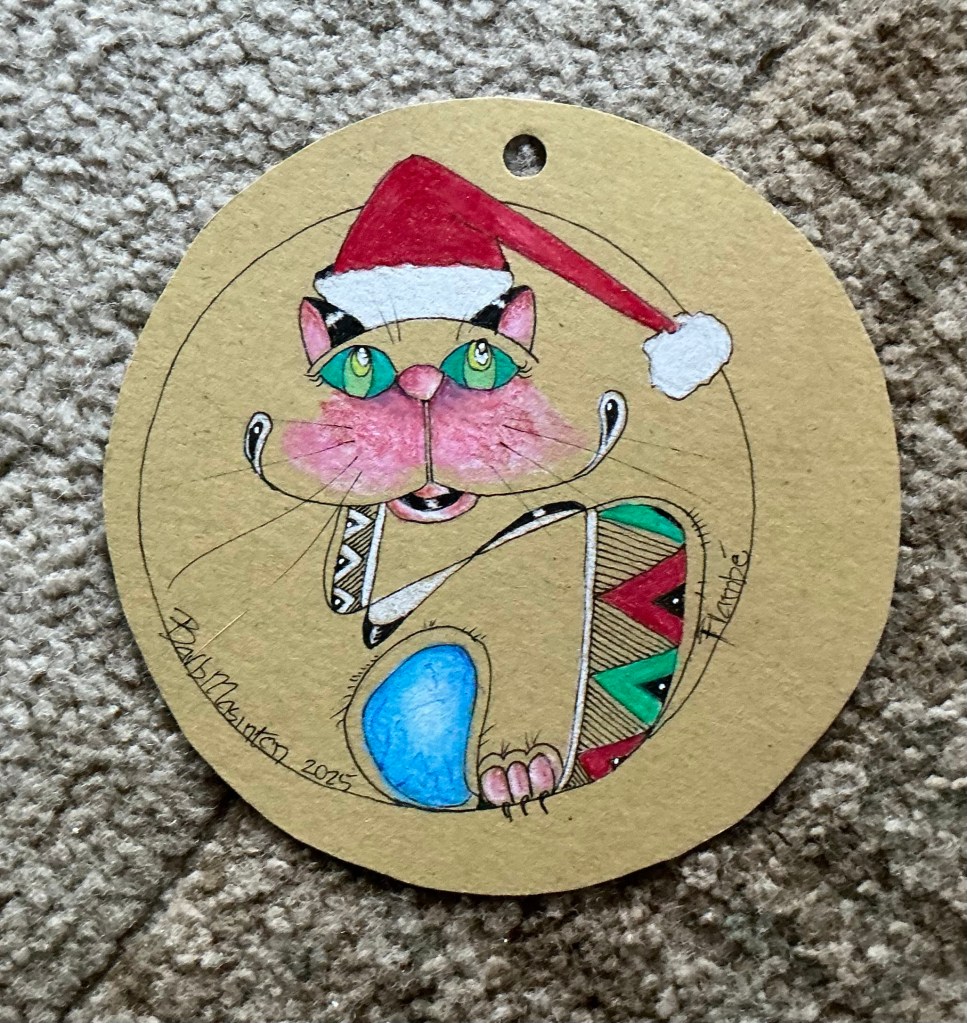
xxoo Flambé