August 2, 2026
Who doesn’t remember coloring as a kid? Not only on brilliant bright white walls (haha!) but especially in a favorite coloring book. An activity that’s been popular with children for decades, adult coloring became a “thing” in the early 1960s. Anyone taking the time to color, find it fun and often educational. But the subtle benefits of coloring for both children and adults go much deeper.
Origin of National Coloring Book Day – Founded in 1941, Dover Publications, a company that’s been publishing adult coloring books since 1970, declared a National Coloring Book Day in May 2015. Taking their lead, and to make the day official, the Registrar at National Day Calendar declared National Coloring Book Day to be observed annually on August 2nd.

History of Coloring Books
The year was 1879 when the first-of-its-kind “coloring book,” The Little Folks’ Painting Book, was published by McLoughlin Brothers (today known as the Milton Bradley Company). This book, meant to be painted with watercolors, became very popular — so much so that during the 1880s-1920s, educators and illustrators created a flurry of drawings for many more painting books that everyone could afford, not just the rich. These books, illustrating a wide range of topics, was a way to democratize art by making art available to all and encouraging artistic creativity, especially among children.
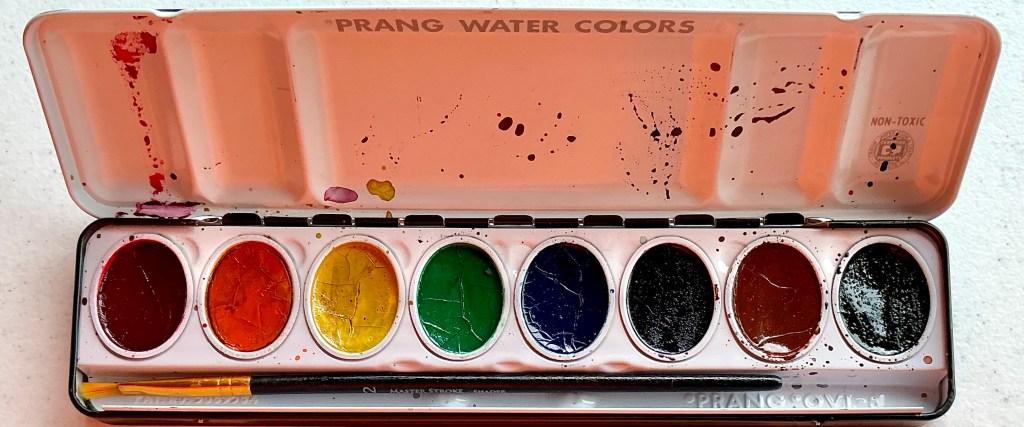
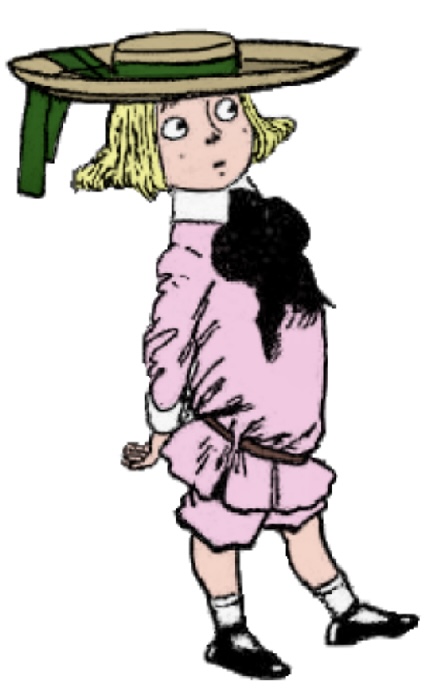
Of course there were other pioneers in painting books, such as including Louis Prang1 (I still have my first set of Prang watercolors!) and Richard F. Outcault2 (of Buster Brown fame).
Enter the Crayon! – Even after wax crayons were mass-produced in 1903 (read about the fascinating history of crayons in my 2024 post Happy National Crayon Day), the painting books were still largely designed to be painted. The transition of painting books to coloring books finally happened between the 1930s and 1940s, although the books were still designed to be painted as well as colored. This period of time is usually referred to as the golden age of childhood coloring.
Make Way Kids! – In 1961, adult coloring books became a cultural phenomenon with the release of The Executive Coloring Book, a satirical guide meant to mock corporate conformity. This somewhat controversial coloring book paved the way for the massive obsession with adult coloring books in the 2010s.
Learning Through Coloring – A picture is worth a thousand words! Since the 1980s, several publishers have produced educational coloring books intended for studying graduate-level topics like anatomy and physiology. This approach for teaching complicated subjects uses color-coding of highly detailed diagrams as a learning aid. Examples include The Anatomy Coloring Book, and others in the series covering topics in zoology, biology, human evolution, and botany. These coloring books and countless others specializing in educating people of all ages often have textbook quality descriptions accompanying each image.
Coloring as Meditation, and Other Benefits – It’s long been known that the practice of coloring in a coloring book, is a great way to relax, reduce anxiety and stress, and release your inner child in ways similar to meditation. Coloring helps create focus, and can develop fine motor skills and vision. Coloring books are often used as tools in rehabilitation of accident victims to aid recovery of hand-eye coordination. They are used with autistic children both for entertainment and for their soothing effect. Coloring books are also used to reduce the trauma of hospitalized children by explaining complicated medical conditions and/or their upcoming surgical procedure.
How to Observe National Coloring Book Day
With so many colors and designs to choose from, coloring books offers enjoyment in so many settings, especially since they’re portable and come in a variety of sizes.
- Take coloring books on vacation with you for rainy days or to document a fun memory.
- Coloring books make great gifts any time of year. When someone visits, be sure to leave a coloring book and colors in the guest room for downtime. At the office, keep a variety of books in the breakroom for co-workers to fill up.
- Find a coloring party near you or participate online.
- Spend some time coloring with your friends, children, or grandchildren or by yourself. Enjoy the creativity of making a picture come to life.
- Download the official #NationalColoringBookDay 2021 color page.
- Download Dover’s 12-page mini-coloring book, “National Coloring Book Day (2026)”
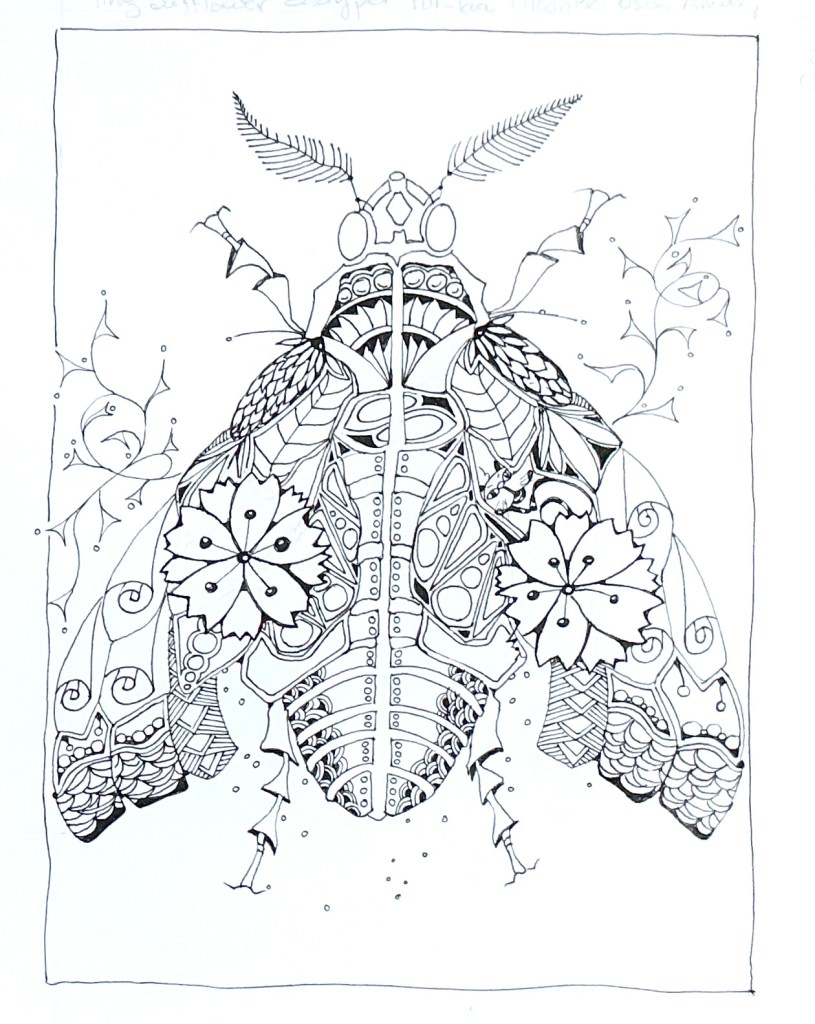
Next Steps – To get your National Coloring Book Day celebration off to a fun start, you’re invited to:
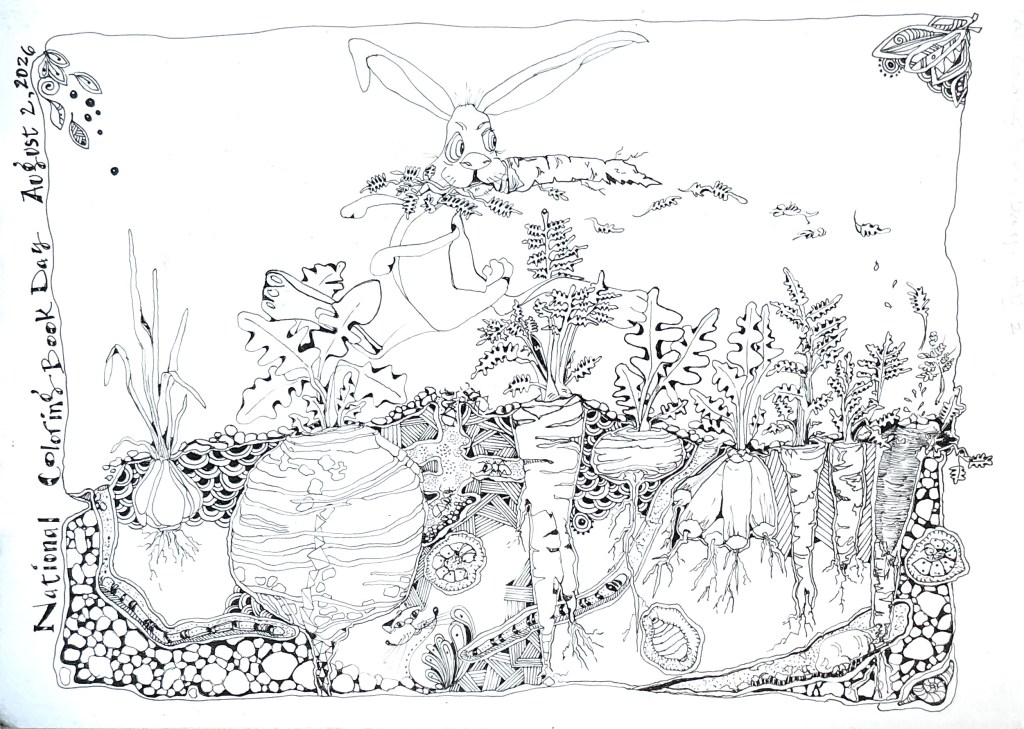
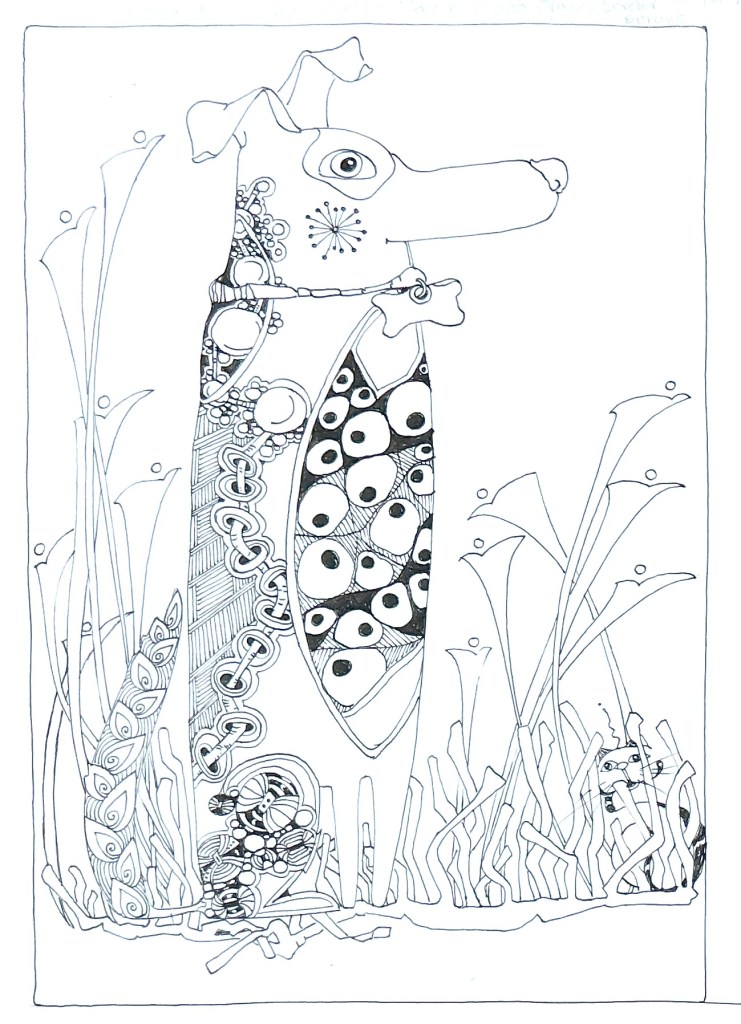
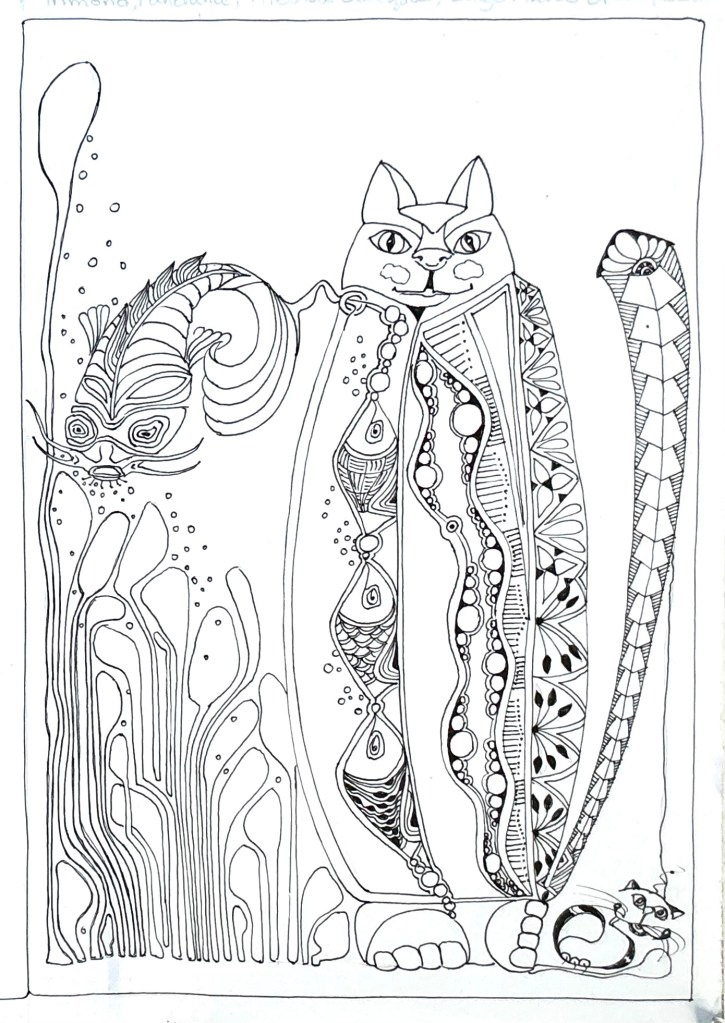
- pick one (or all) of my illustrations to download and print — or create your own;
- color it (them) with any single or combination of media you like or have never used before. Try watercolor with colored pencil. How about watercolor pencil! Use colorful ink markers for a vibrant effect. Choose pastels or even pan pastels, or both. Water soluble inks or tinted graphite might be your cuppa tea;
- share your colored page(s) with me by emailing barb.masinton@gmail.com so I can post them on my blog (if you give me permission) AND/OR share your page(s) on social media – tagging #NationalColoringBookDay (keep following my blog to see how my colored pages turn out);
- add a comment to my post letting me know if you accepted my invitation and describe your experience … did you realize any of the benefits of coloring described in my post? Most of all, did you have fun?
Happy National Coloring Book Day!
1Louis Prang (1824 – 1909), often referred to as the “Father of the American Christmas Card,” was a German-American printer whose goal was that every child have access to safe art tools. He created Prang watercolors in 1856 — affordable, non-toxic, moist pan watercolor sets designed specifically for public school student art education. As the founder of the Prang Educational Company in 1882, he supplied classrooms with all sorts of art supplies, launched art textbooks, and developed the Prang Method of instruction in the 1870s and 1880s. The American Crayon Company acquired Prang’s art lines in 1909, eventually becoming part of Dixon Ticonderoga.

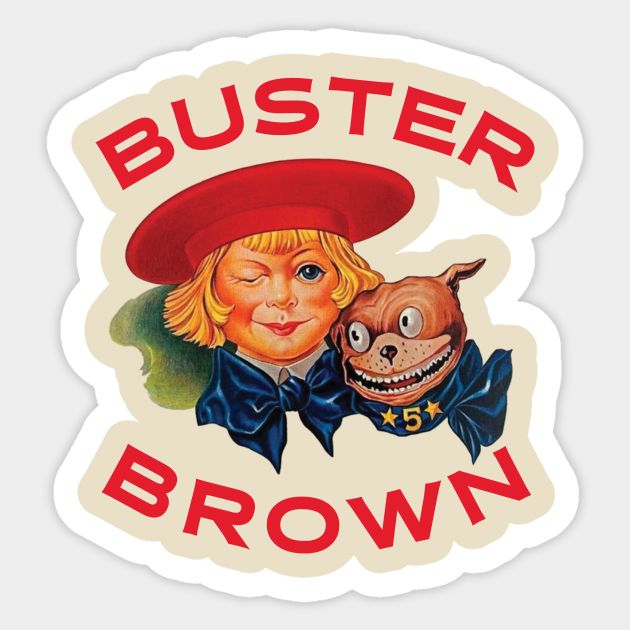
2 Richard F. Outcault (1863 – 1928) was an American cartoonist who pioneered the modern comic strip. Creator of the character Buster Brown and his dog Tige, Outcault authored Buster’s Paint Book in 1907, launching a trend in using coloring books to advertise a wide variety of products, including coffee and pianos. In the early 1900s, Outcault licensed the name “Buster Brown” for use in a wide number of consumer products, including children’s shoes manufactured by the Brown Shoe Company (today known as Caleres, owner of Famous Footwear, Naturalizer, Dr. Scholl’s comfort shoes and a long list of luxury and athletic brands). Since 1904, the “Buster Brown” character and Tige have been Company mascots, appearing in television commercials (1940s and ‘50s) and in comics advertising their shoes. Both Buster Brown and Tige were revived with an updated, more contemporary look for a brief advertising campaign in the 1980s and 1990s.


Barbara –
What a wonderful post! I downloaded the moth image and will do my best to complete the task at hand. I so enjoy reading your posts and looking at your beautiful artwork!
Dee
LikeLiked by 1 person
Hi and Hello Dee! Thanks ever so much for commenting, accepting my challenge to give the moth drawing a taste of color! Can’t wait to see the result! Hope your summer has been great so far!
LikeLike
Barb – how generous of you to offer a coloring page! I have downloaded 2 (flower vase & moth) that I am going to enjoy. I find coloring with brush tip colorful markers so relaxing and I’ll send you a copy once I’m done. And, I’m tempted to use crayon! This will be educational as well, to follow the tangle lines you’ve used so I can learn them. I love the idea of donating pages to hospitals and maybe senior centers as well. Thanks for sharing this fun, hands-on post!
LikeLiked by 1 person
Karen! I’m so excited to learn you’ll be coloring 2 of my tangle drawings! Can’t wait to see the colors you pick! Brush markers will be a great choice, but oh! How cool to give Crayolas a try! It’s not important to stay in the lines! Hahahah!
Another awesome idea you’ve suggested to share coloring pages with hospitals and senior centers! Marvelous! Thanks for following my posts!
LikeLiked by 1 person
Brilliant! I would especially love to color that first drawing! Such a fun layout 🙂
LikeLiked by 1 person
Wow! Thanks so much Kim. Who doesn’t love coloring! Please feel free to download any or all of my drawings and color away!
LikeLiked by 1 person
Thanks! I’ll keep that in mind for a stressful day 😀
LikeLiked by 1 person
Awesome!
LikeLiked by 1 person